

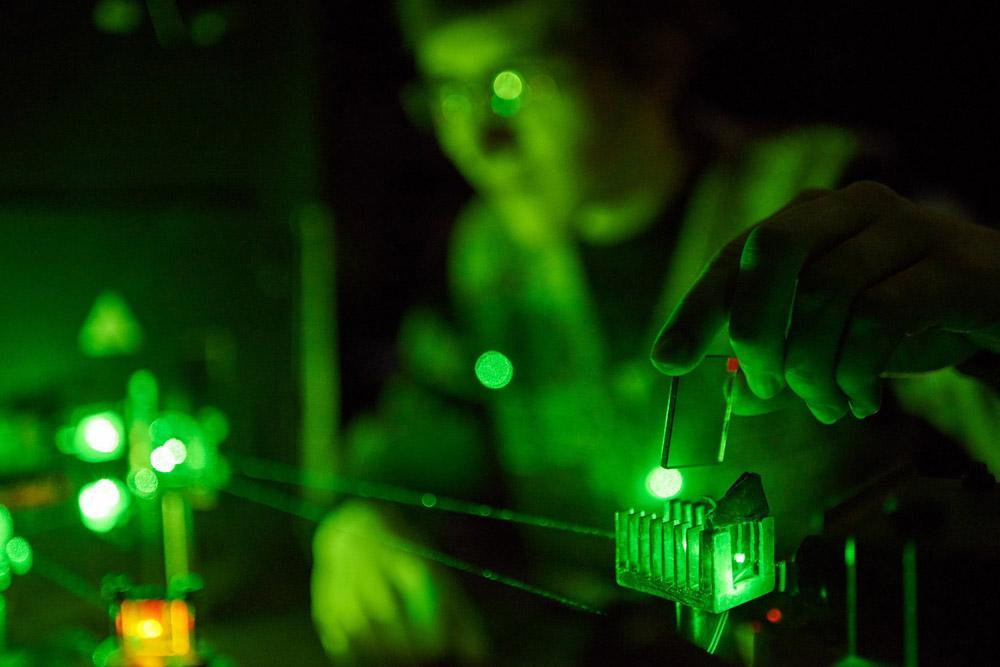
Key Components of a Custom Diode Laser
If you would like more information or wish to request a non-binding quote, feel free to contact us at any time.





Which wavelength do you need?
Output power and fiber coupling
What's your application?*
Choose one or more, or describe your own below.
Anything else we should know?
Where can we reach you?
We use the details you provide only to process your request. More information in our privacy policy.
Thank you.
Your request has reached our sales team.
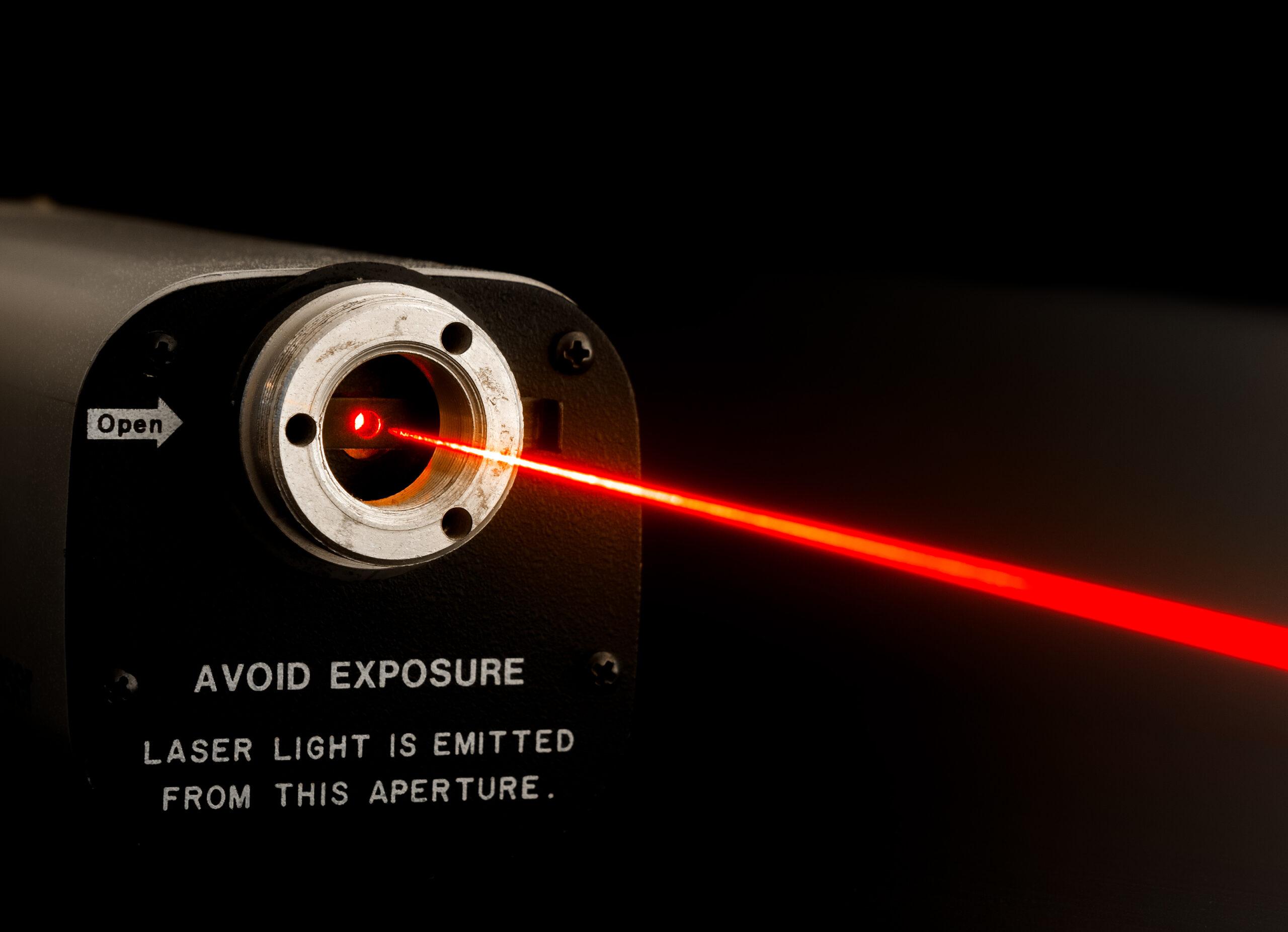
Optics and electronics of a custom diode laser
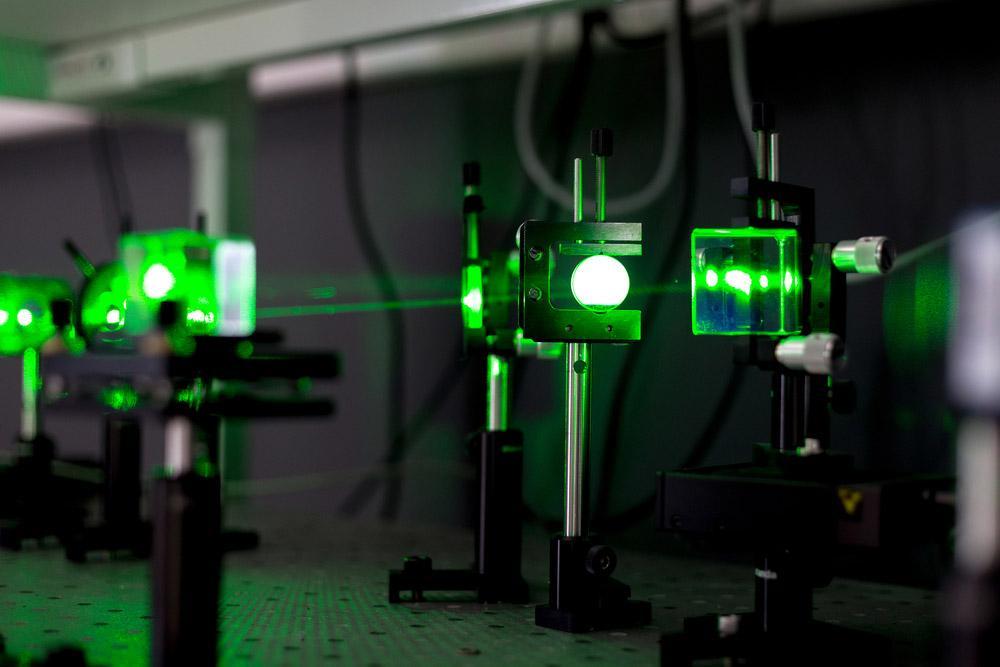
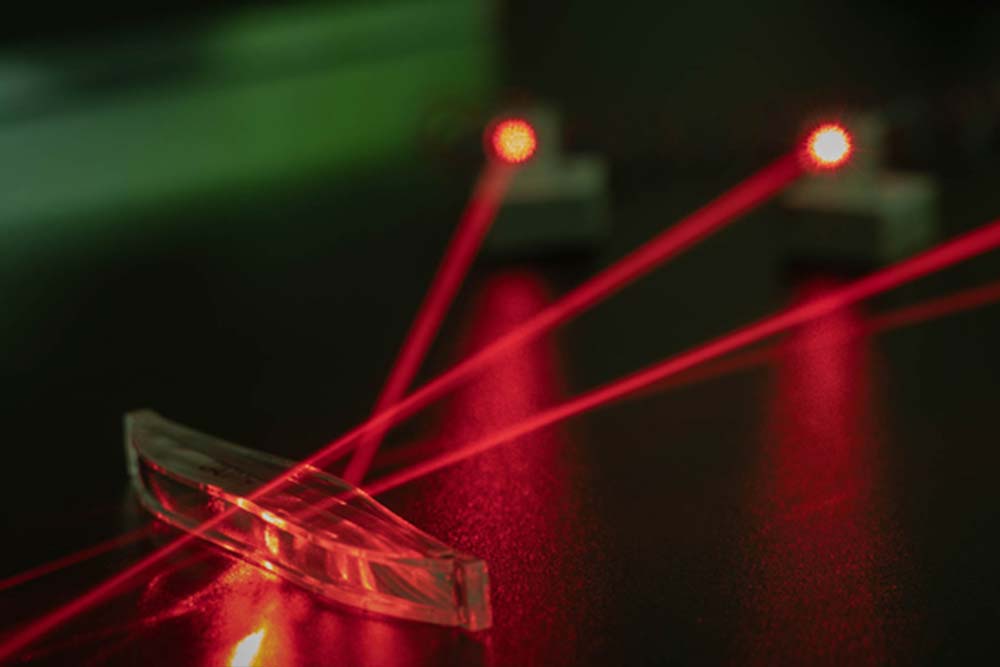
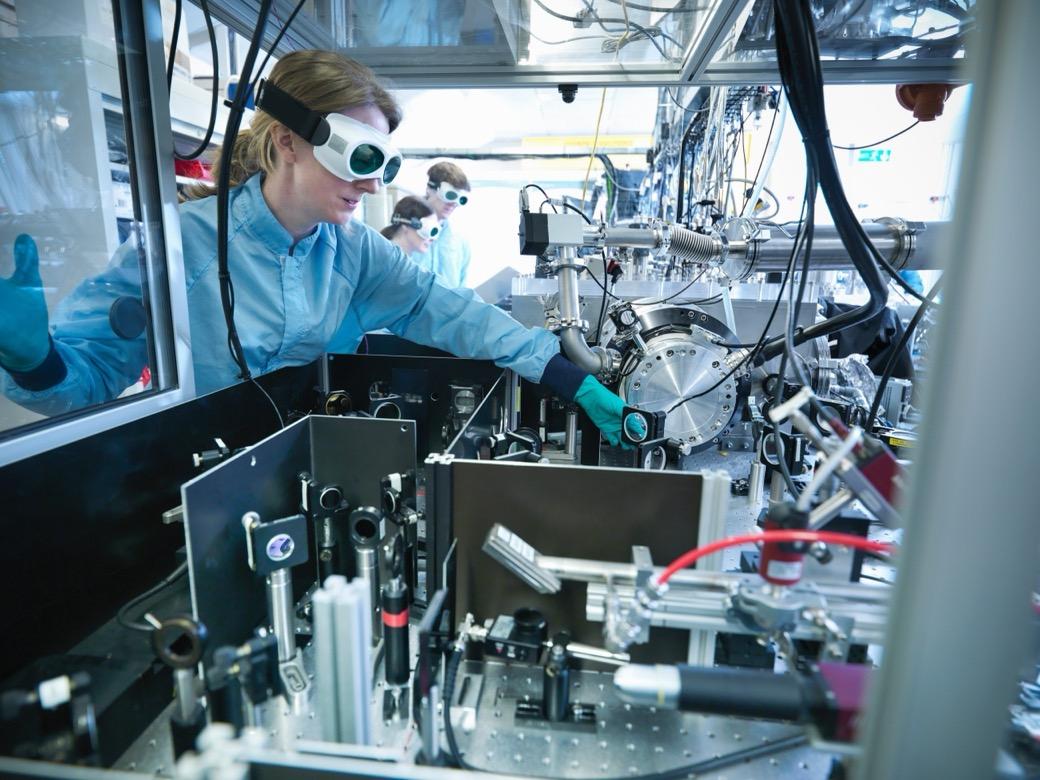
Integration of Custom Diode Lasers into Industrial Systems
Laser integration in industrial processes
Advantages of Custom Diode Laser Solutions
About RGB Lasersystems
Contact RGB Laser Systems for Your Single Frequency Laser
If your application requires precise wavelength stability and narrow linewidth performance, a Single frequency laser can be specified according to your system requirements. RGB Laser Systems supports you from initial concept discussion to final configuration. Detailed technical data, integration guidance and customization options are available upon request.
Contact our engineering team to evaluate the appropriate Single frequency laser solution for spectroscopy, metrology or OEM integration. Careful parameter selection and coordinated development ensure reliable performance within your laboratory or industrial platform.
What is actually adjustable, and what is not
„Custom” covers a wide range, and the useful conversation starts by separating the parameters a design can follow from the ones the semiconductor decides.
Set by the material system, not by the design: the available wavelengths. Diode lasers exist where a semiconductor material emits, and the spectrum has gaps. The best known runs between roughly 530 and 630 nm, where direct diodes are limited and frequency doubled DPSS sources fill in instead. A request for a wavelength inside a gap cannot be engineered around, and knowing that early saves a development loop.
Adjustable within a given wavelength:
- Output power and its stability, including how tightly it is held over temperature and time.
- Beam shaping. Collimation, circularisation of the naturally elliptical diode output, and the beam quality delivered at the output aperture.
- Fibre coupling. Single-mode, multimode or polarisation maintaining, with the connector your instrument uses.
- Spectral behaviour. Whether the module runs free, grating stabilised or single frequency, which is what your coherence length requirement decides.
- Modulation. Analogue, digital or both, and at what rate.
- Mechanics and interfaces. Housing, mounting, thermal path, connectors and control interface.
Which specifications to fix first
Three decisions constrain the rest of the design, so they are worth settling before anything else: the wavelength, the coherence requirement derived from your optical path, and whether the light is delivered free-space or through fibre. Output power is usually the easiest of the main parameters to adjust later, and in practice it is the one most often specified first.