


DPSS Laser
Fluorescence applications
OEM integration






Which wavelength do you need?
Output power and fiber coupling
What's your application?*
Choose one or more, or describe your own below.
Anything else we should know?
Where can we reach you?
We use the details you provide only to process your request. More information in our privacy policy.
Thank you.
Your request has reached our sales team.
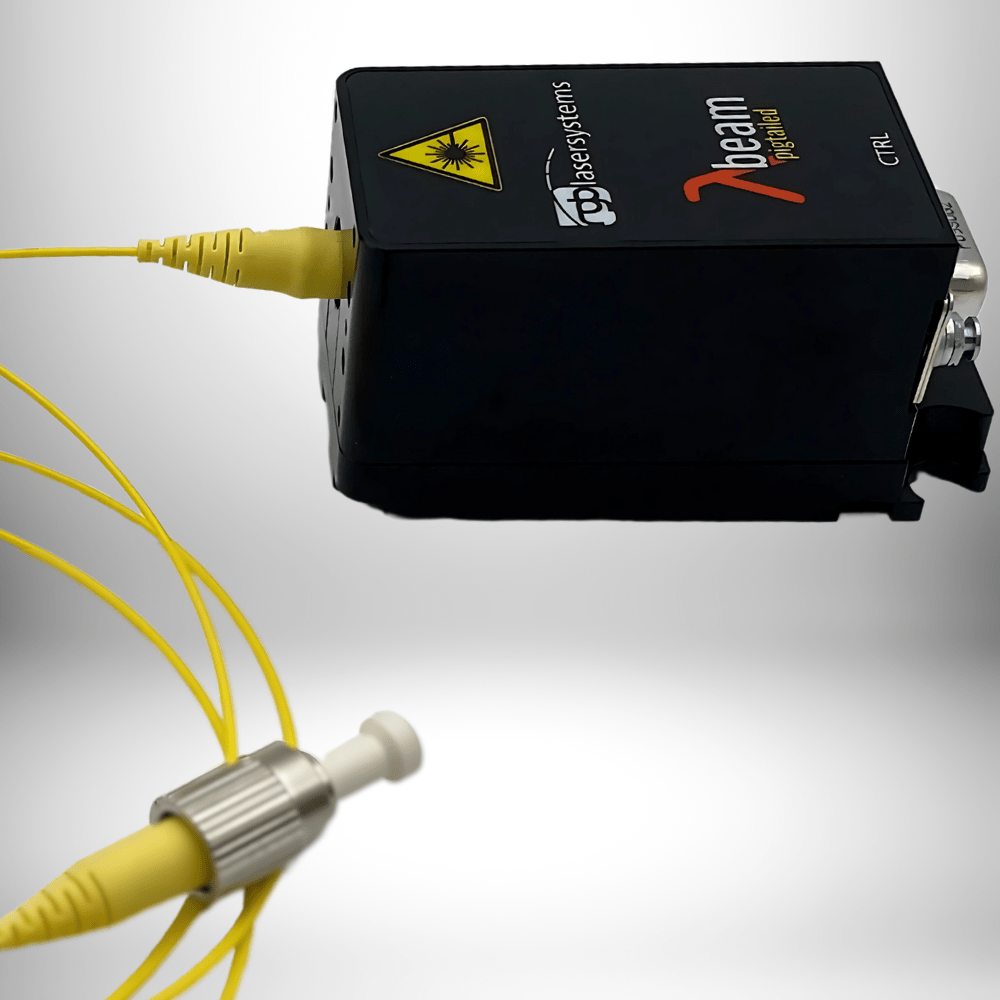
What is a DPSS Laser?
Why DPSS Laser Technology Is Used
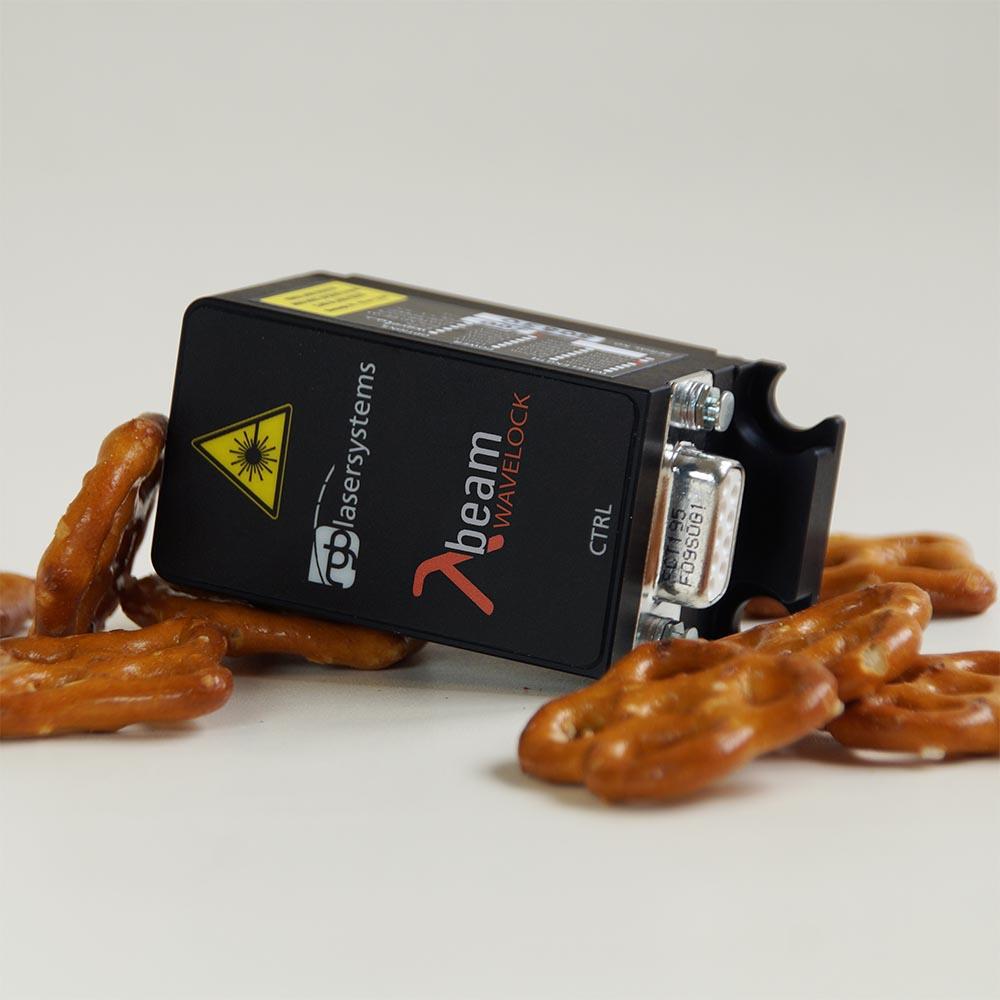
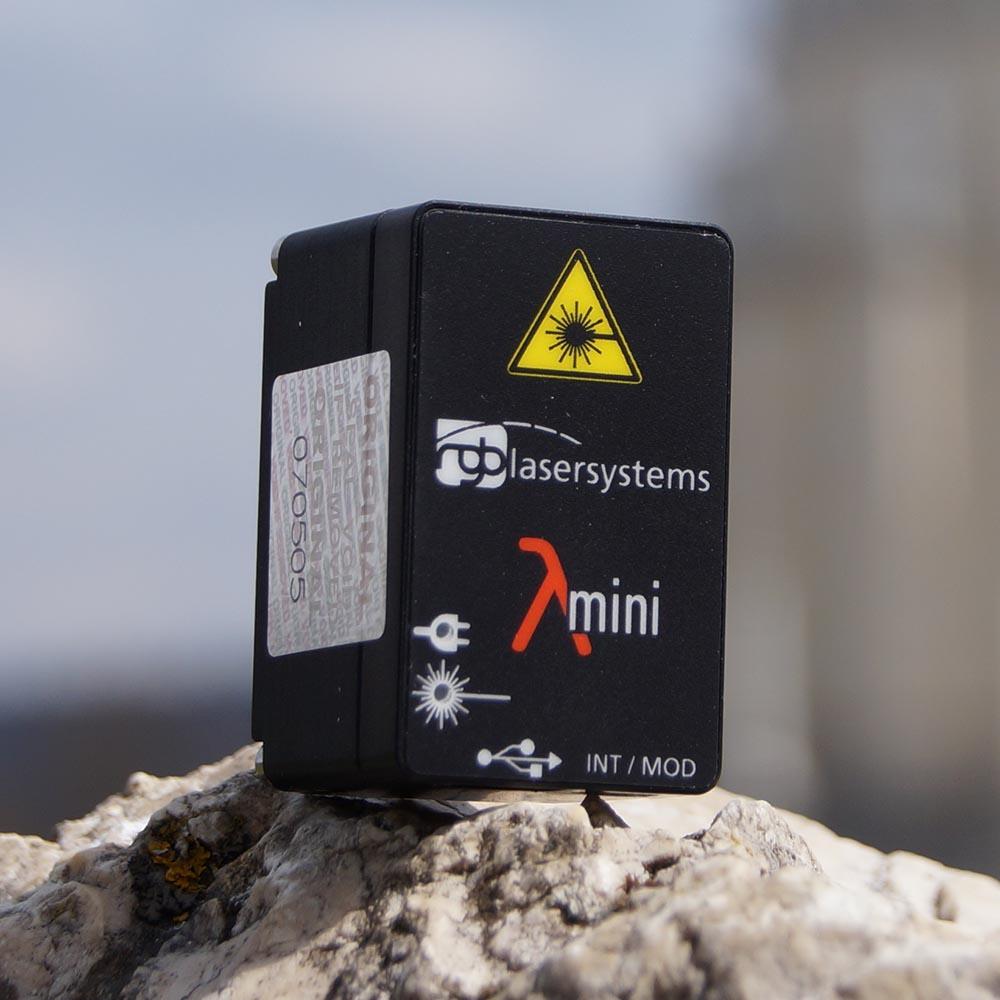
Typical DPSS Laser Applications
DPSS Laser Solutions from RGB Lasersystems

Choosing the Right DPSS Laser
The right DPSS laser depends on your target wavelength, required output stability and the way the laser will be integrated into the system. Some applications prioritize compact size, while others require narrow spectral performance, excellent beam quality or reliable long-term operation. If you are looking for a DPSS laser for spectroscopy, research or OEM integration, RGB Lasersystems will be happy to help you identify the right configuration for your application.
What the doubling stage actually buys you
The frequency doubled output of a DPSS source is not simply green light produced a different way. The nonlinear conversion only works efficiently inside a narrow spectral window, so the design is pushed towards a well defined, narrow line. That is the property most users are really paying for, and it is the one a direct diode of the same colour cannot offer.
The difference is larger than it sounds. A free running Fabry-Perot diode with a line roughly 1 nm wide has a coherence length under 100 micrometres. A single frequency DPSS module reaching 1 MHz sits near 95 metres. Six orders of magnitude separate the two, and every interferometric method falls on one side of that gap.
- Raman spectroscopy. The spectral resolution of a dispersive instrument cannot be better than the width of its excitation line.
- Interferometry and holography. The coherence length has to span the path difference in the setup. This is where the direct diode stops being an option rather than a compromise.
- Laser Doppler velocimetry and vibrometry. Both beams have to stay mutually coherent where they meet, and the path difference inside the probe head decides the requirement.
- Fluorescence with a defined excitation line. A narrow line keeps the excitation clear of the emission band and makes filter design predictable.
DPSS or a direct diode?
Where the application does not depend on a narrow line, the trade turns around. A direct diode starts instantly, has no nonlinear stage to hold at temperature, modulates directly through its drive current and costs less. A DPSS source needs a warm-up period, is modulated externally rather than through the pump current, and carries a relaxation oscillation peak in its noise spectrum that a diode does not have.
Put simply: take DPSS when the measurement depends on the spectral line. Take 520 nm or another direct diode when you need green light that switches fast and starts instantly. The two are not substitutes for one another in either direction.
At RGB Lasersystems, DPSS covers 1064 nm as the fundamental and 532 nm as the doubled output. Narrow line and single frequency variants are available where the application calls for them.