

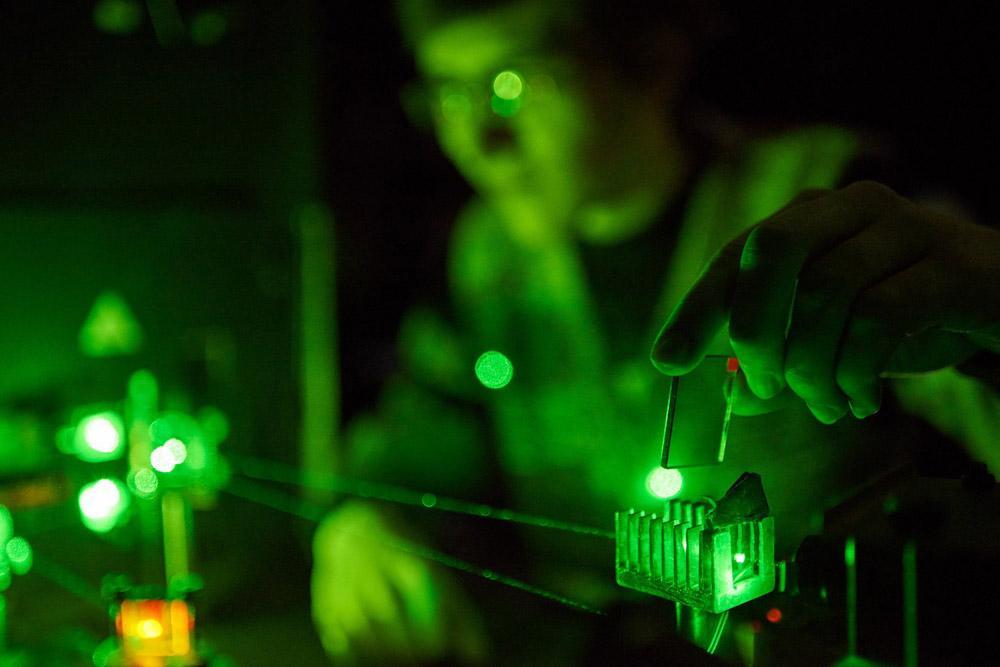
Single frequency laser for precision measurement
A single frequency laser emits light at one dominant optical frequency, which leads to a very narrow spectral linewidth and a long coherence length. That combination matters when phase stability drives measurement accuracy, such as in interferometry or high resolution spectroscopy. Unlike multimode sources, the cavity is engineered to favor a single-longitudinal mode, so you get cleaner spectra and predictable tuning behavior during continuous operation.
If you would like more information or wish to request a non-binding quote, feel free to contact us at any time.






How single frequency operation is achieved
Single frequency emission is created by strict mode selection inside the resonator. Depending on the architecture, this can be done with distributed feedback or distributed Bragg reflector structures, an external cavity, or frequency selective filters such as etalons or Bragg gratings. The goal is to suppress competing longitudinal modes and maintain a high side mode suppression ratio, so the output stays spectrally pure across the intended tuning range.
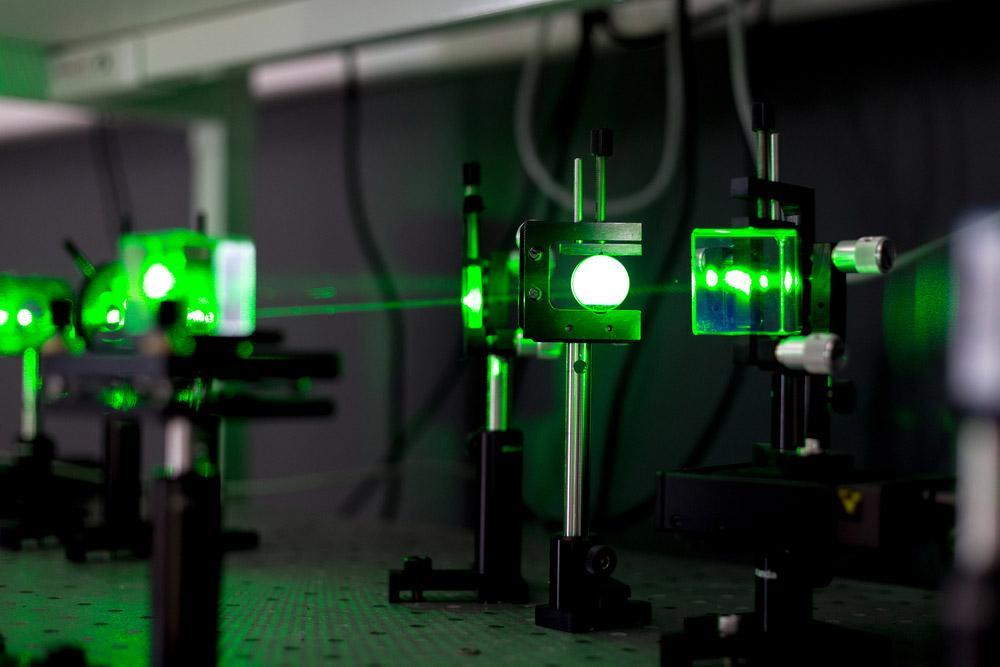
Key performance defining parameters
When comparing a single frequency laser, focus on linewidth, frequency noise, wavelength drift, and output power stability. Beam quality is also important because a near diffraction limited TEM00 beam improves focusing and fiber coupling. Keep in mind that “single frequency” does not mean perfectly monochromatic. Every real laser has a finite linewidth, and stability depends on how well the system controls temperature, current, and mechanical stress over time.
Stability challenges in real systems
Thermal changes shift the refractive index and cavity length, which can cause frequency drift or mode hops if the margin is small. Optical feedback from downstream reflections can also broaden the noise spectrum or disturb single mode operation, especially in sensitive diode and external cavity designs. For reliable field use, robust packaging, stable drivers, and careful optical isolation reduce these risks and help preserve the expected spectral behavior.
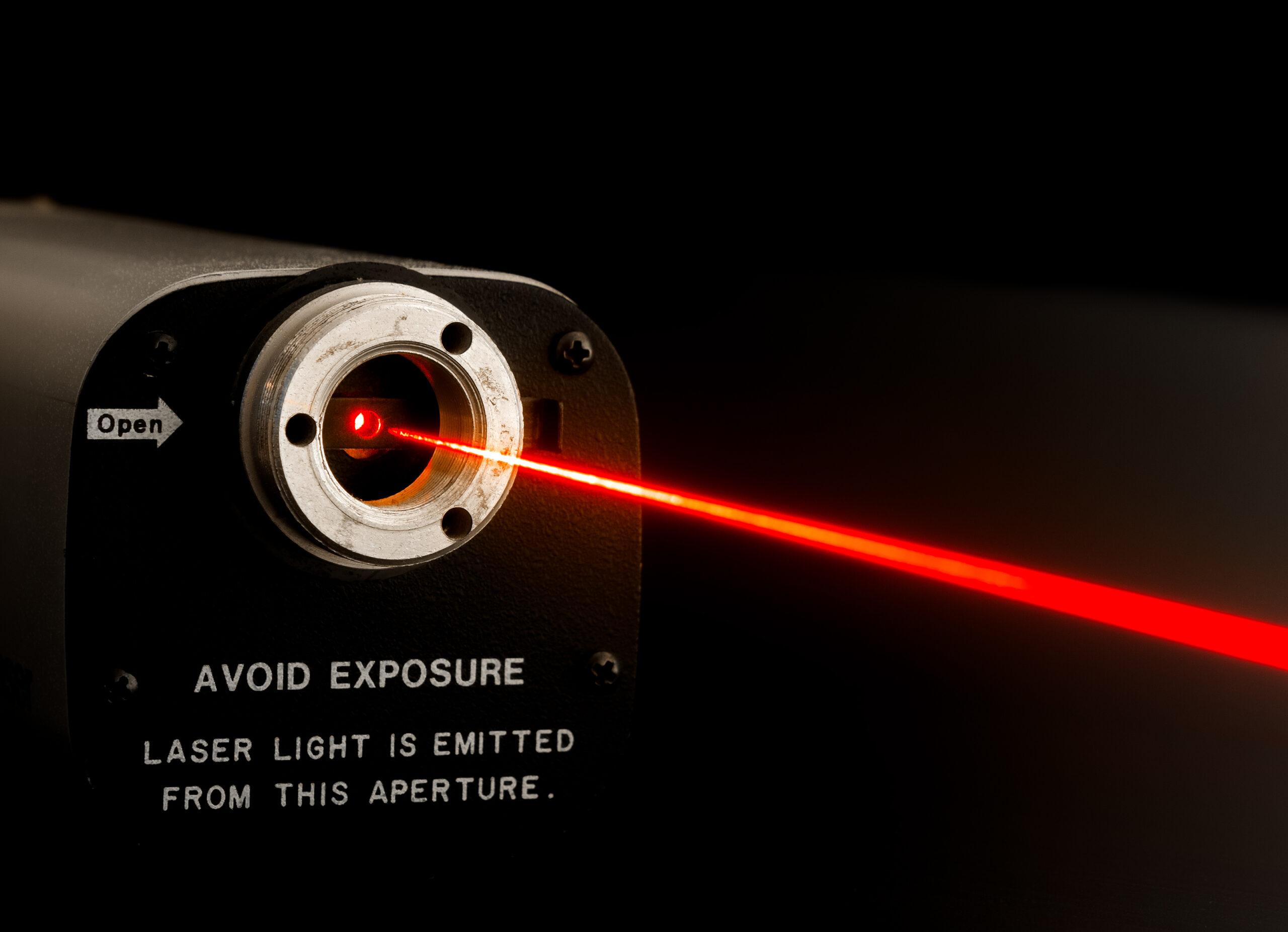

Typical applications in industry and research
A single frequency laser is widely used in precision metrology, coherent sensing, and spectroscopy, where narrow linewidth enables you to resolve fine absorption features and maintain stable interference fringes. It is also used as a seed source for fiber amplifiers, in Raman based analysis, and in holography. In many OEM instruments, the advantage is repeatability, since frequency stability supports consistent calibration and traceable results.
About RGB Lasersystems
RGB Lasersystems develops compact laser modules and photonic systems for OEM integration, laboratory instrumentation, and industrial analysis. The focus is on reliable beam delivery, stable operating behavior, and configurable designs that match application specific requirements for demanding measurements. The company also notes that its spectrometry business unit was acquired by Broadcom in 2018, which broadened the technology footprint supporting miniaturized photonics solutions. Their team can support wavelength and packaging choices for your system.
Contact RGB Laser Systems for Your Single Frequency Laser
If your application requires precise wavelength stability and narrow linewidth performance, a Single frequency laser can be specified according to your system requirements. RGB Laser Systems supports you from initial concept discussion to final configuration. Detailed technical data, integration guidance and customization options are available upon request.
Contact our engineering team to evaluate the appropriate Single frequency laser solution for spectroscopy, metrology or OEM integration. Careful parameter selection and coordinated development ensure reliable performance within your laboratory or industrial platform.