

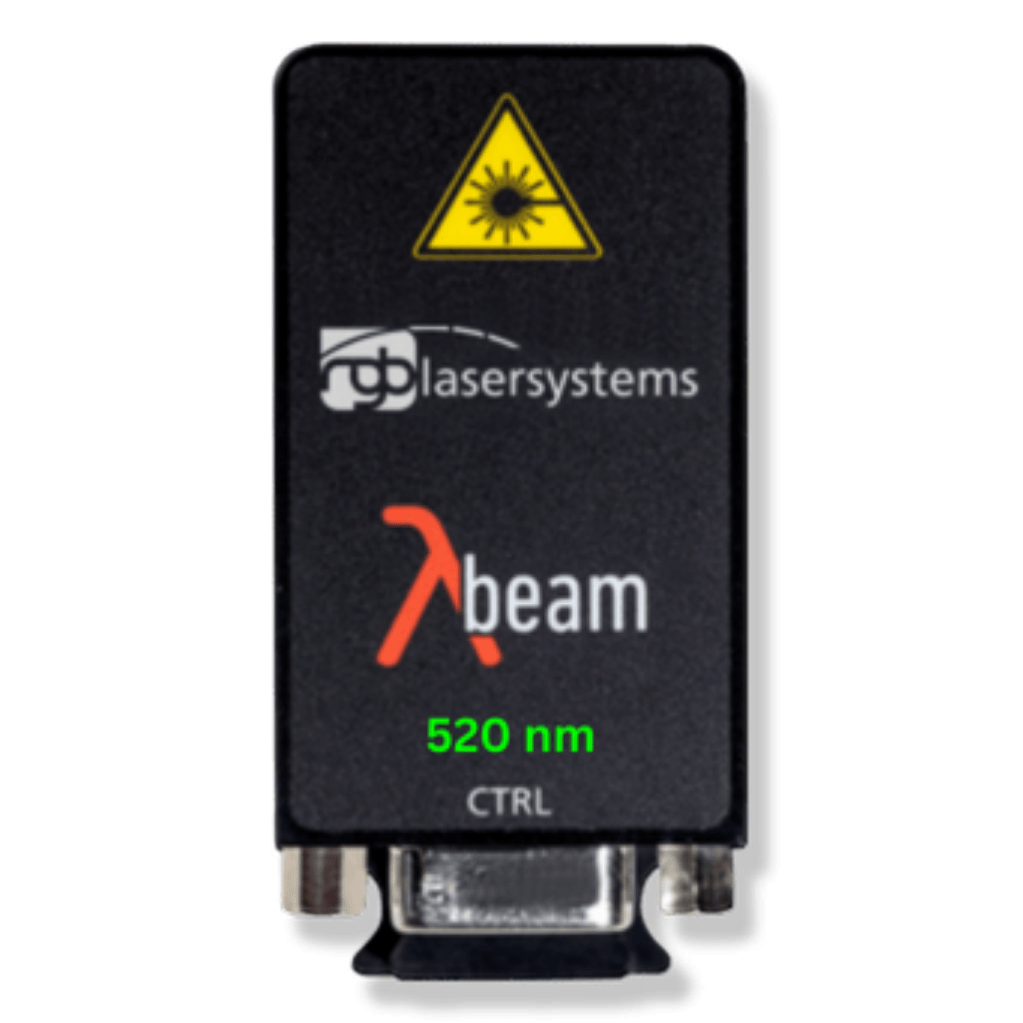
520 nm Laser Module
Confocal microscopy
Food sorting
Flow cytometry
OEM / System Integration
If you would like more information or wish to request a non-binding quote, feel free to contact us at any time.






Which wavelength do you need?
Output power and fiber coupling
What's your application?*
Choose one or more, or describe your own below.
Anything else we should know?
Where can we reach you?
We use the details you provide only to process your request. More information in our privacy policy.
Thank you.
Your request has reached our sales team.
Technical Specifications
Stability & Thermal Engineering
Power Stability
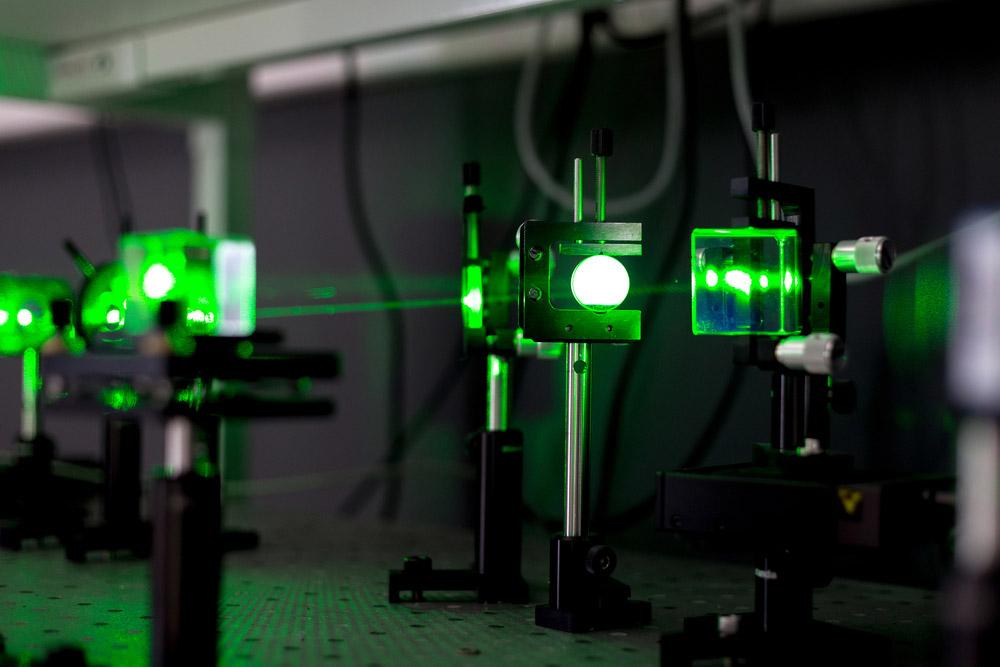
With an output stability of < 1 % RMS over 10 hours, the laser maintains consistent illumination over extended experiments. This level of control reduces drift and noise in quantitative fluorescence and imaging applications. It supports reliable comparison across multiple measurement cycles.
520 nm Laser Module: Temperature Regulation
Beam Quality & Optical Performance
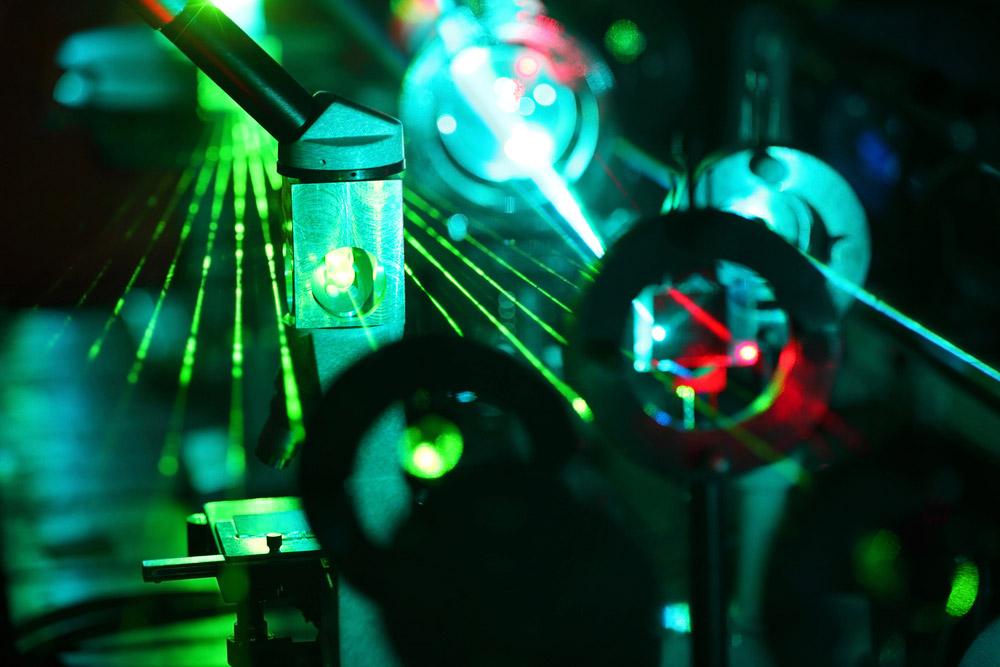
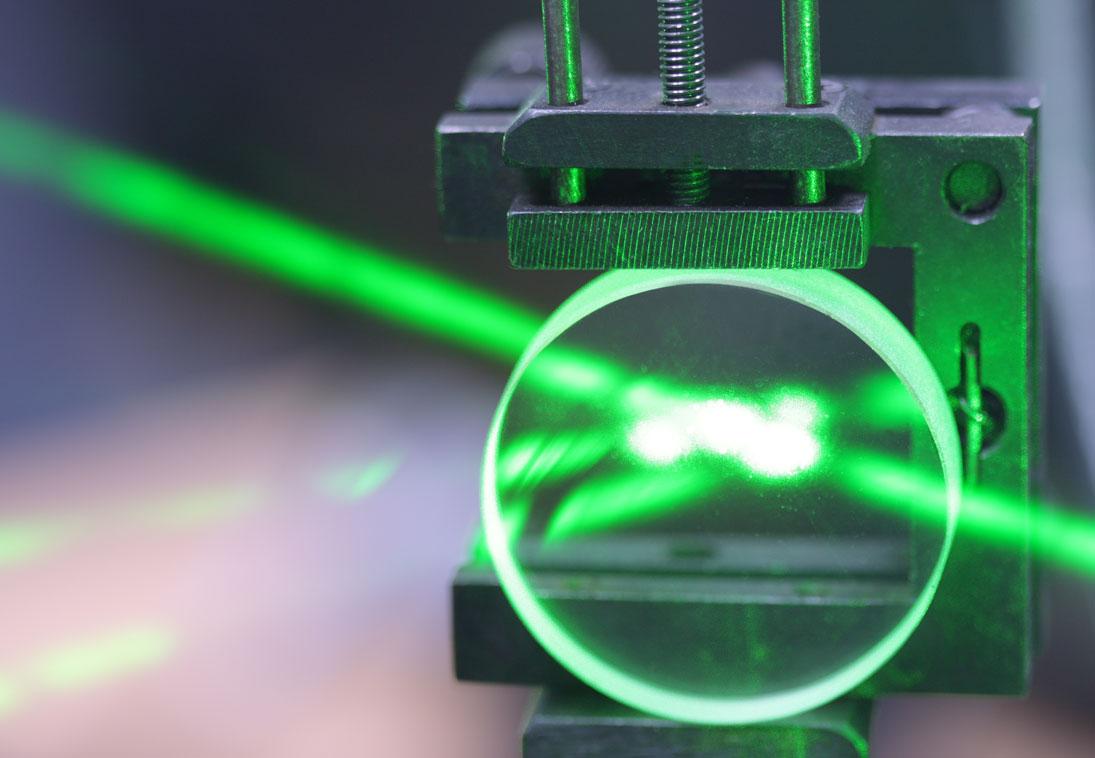
An M² value of < 1.2 provides a clean, near-Gaussian beam for precise focusing. This level of beam purity from a 520 nm laser module is ideal for microscopy and high-resolution imaging.
Low Noise Output
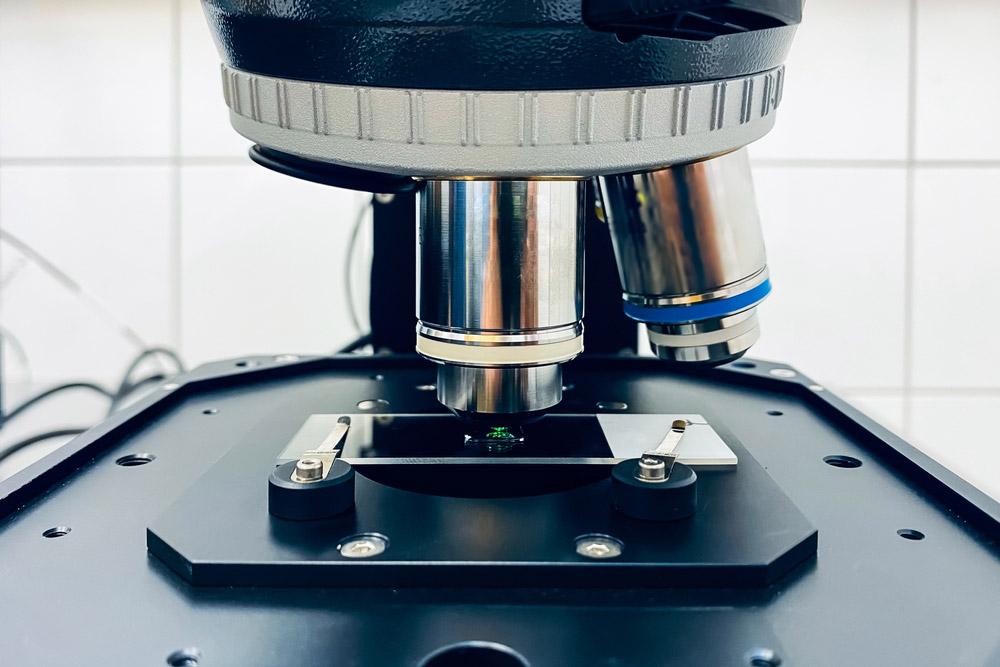
Where 520 nm lasers are used
520 nm comes from a direct green diode rather than a frequency doubled solid state source. That changes the engineering trade completely: no doubling crystal, no thermal stabilisation of a nonlinear stage, faster warm-up and direct current modulation. The spectral line is broader than DPSS green, which matters for interferometry and not at all for most other uses.
- Alignment and positioning. Green sits close to the peak of the eye's photopic response, so a green beam appears far brighter than a red or violet one at the same optical power.
- Machine vision and triangulation. Direct modulation allows fast gating and structured light patterns.
- Fluorescence excitation. Covers part of the range normally served by 532 nm.
- Portable and battery powered instruments. Lower power draw and no doubling stage to keep warm.
520 nm or 532 nm?
Take 520 nm when you need green light that switches fast, starts instantly and costs less. Take 532 nm when you need a narrow line: for Raman spectroscopy, holography and interferometry the DPSS source is the correct choice and the direct diode is not a substitute.
Put simply: 520 nm for seeing and illuminating, 532 nm for measuring.
Integration of 520 nm Laser module systems
Choosing the right 520 nm laser module requires a clear understanding of your technical needs. The optical output should match the sensitivity of your detectors, as insufficient power could compromise measurement quality. Thermal stability is another essential factor. Even small temperature shifts can influence emission. A system with reliable temperature control ensures consistent results. Mechanical robustness helps maintain long-term alignment, reducing maintenance requirements. The 520 nm laser system should also be compatible with your existing optics, as easy adaptation saves time and resources.