

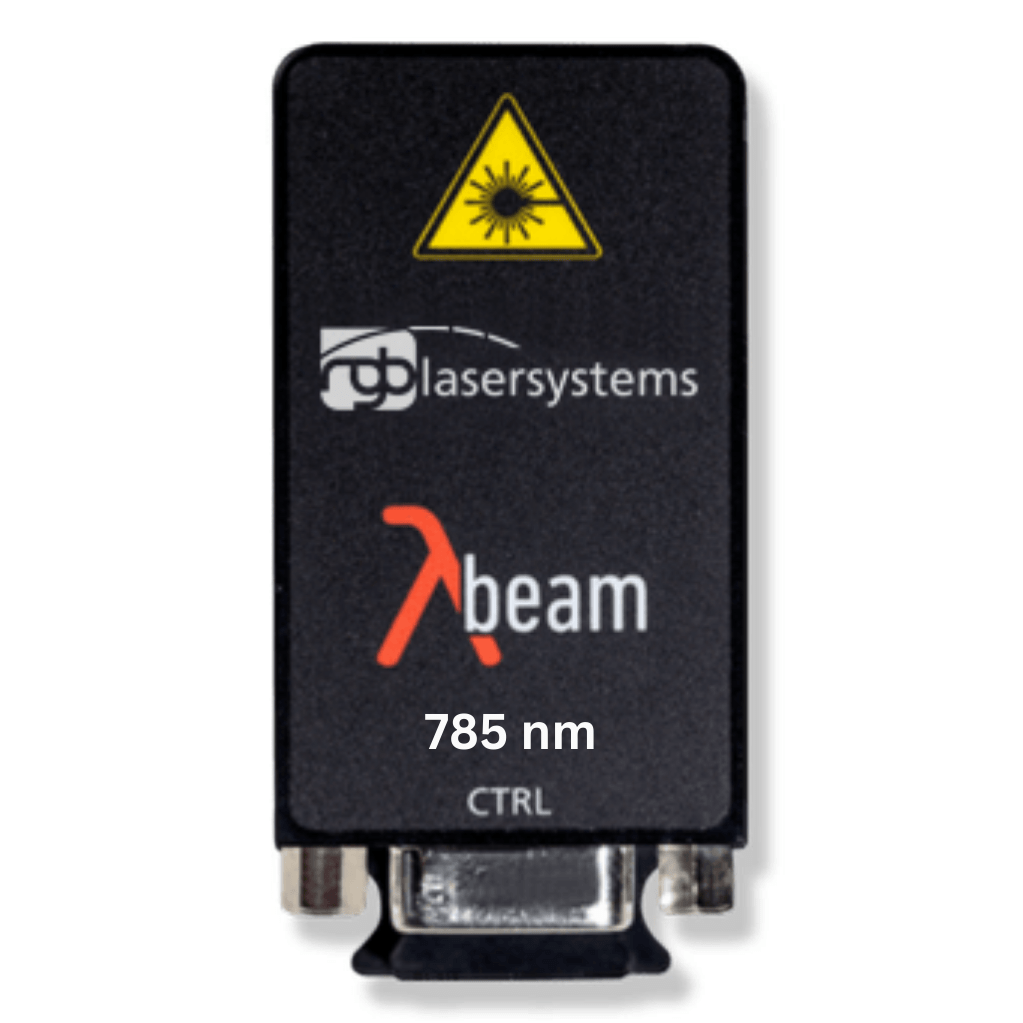
785 nm Laser Module
Food Sorting
Confocal Microscopy
Laser Diffraction Particle Analysis
Raman Spectroscopy






Which wavelength do you need?
Output power and fiber coupling
What's your application?*
Choose one or more, or describe your own below.
Anything else we should know?
Where can we reach you?
We use the details you provide only to process your request. More information in our privacy policy.
Thank you.
Your request has reached our sales team.
Technical overview
Lambda Beam: 785 nm Laser Module
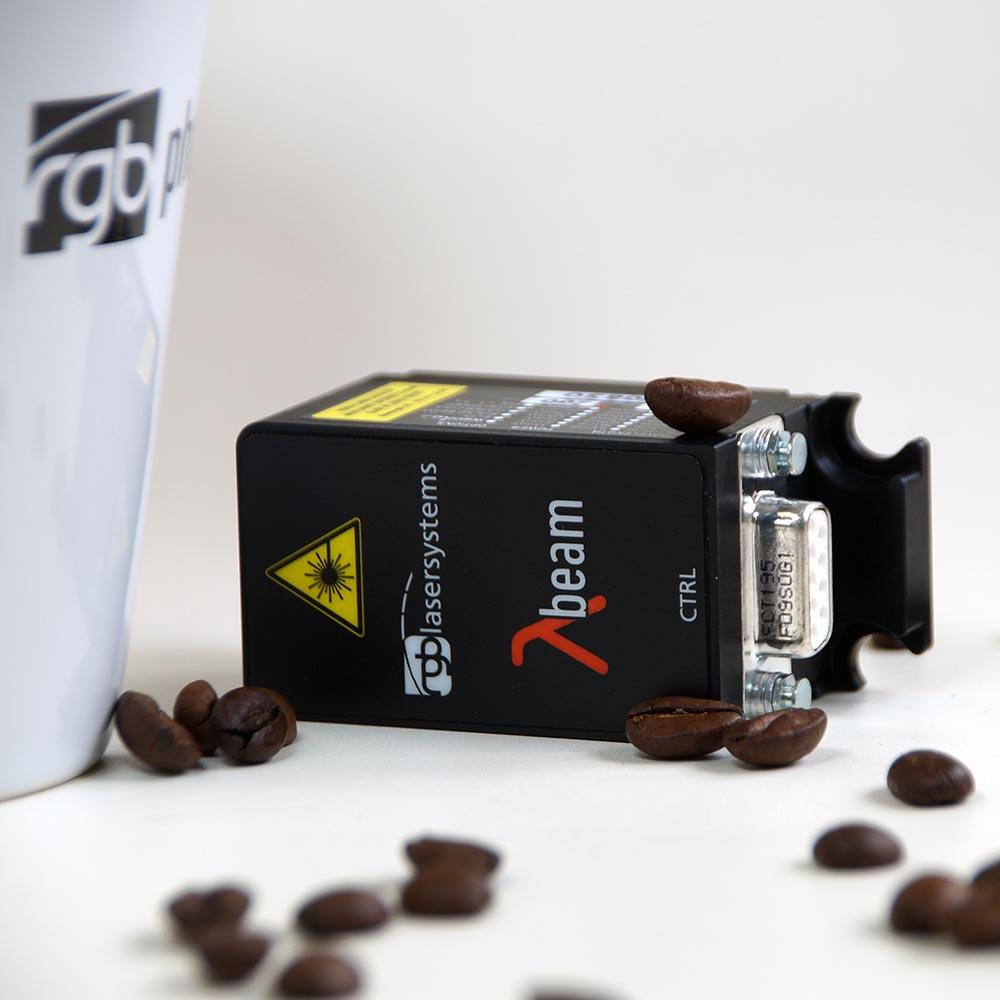
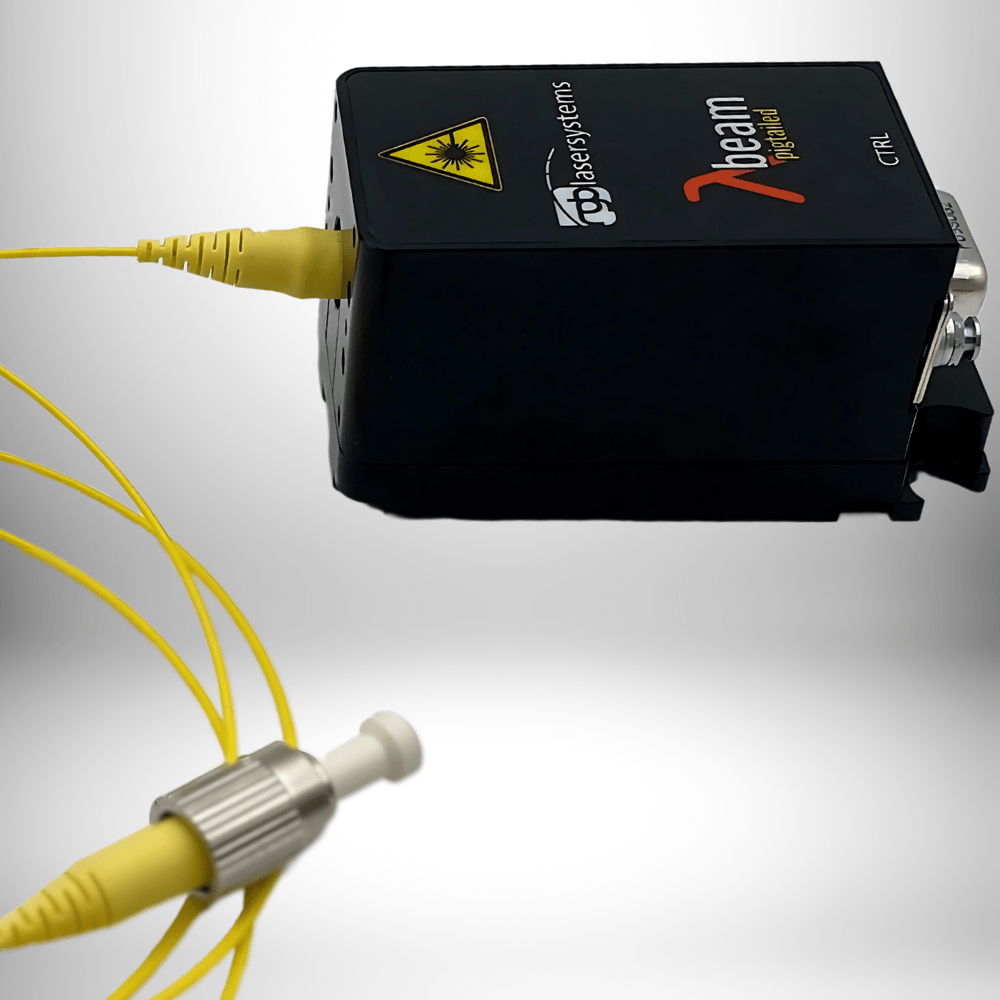
Lambda Beam Pigtailed: Fiber-Coupled 785 nm Laser
Lambda Beam Pigtailed 785 nm VHG-stabilized lasersystem
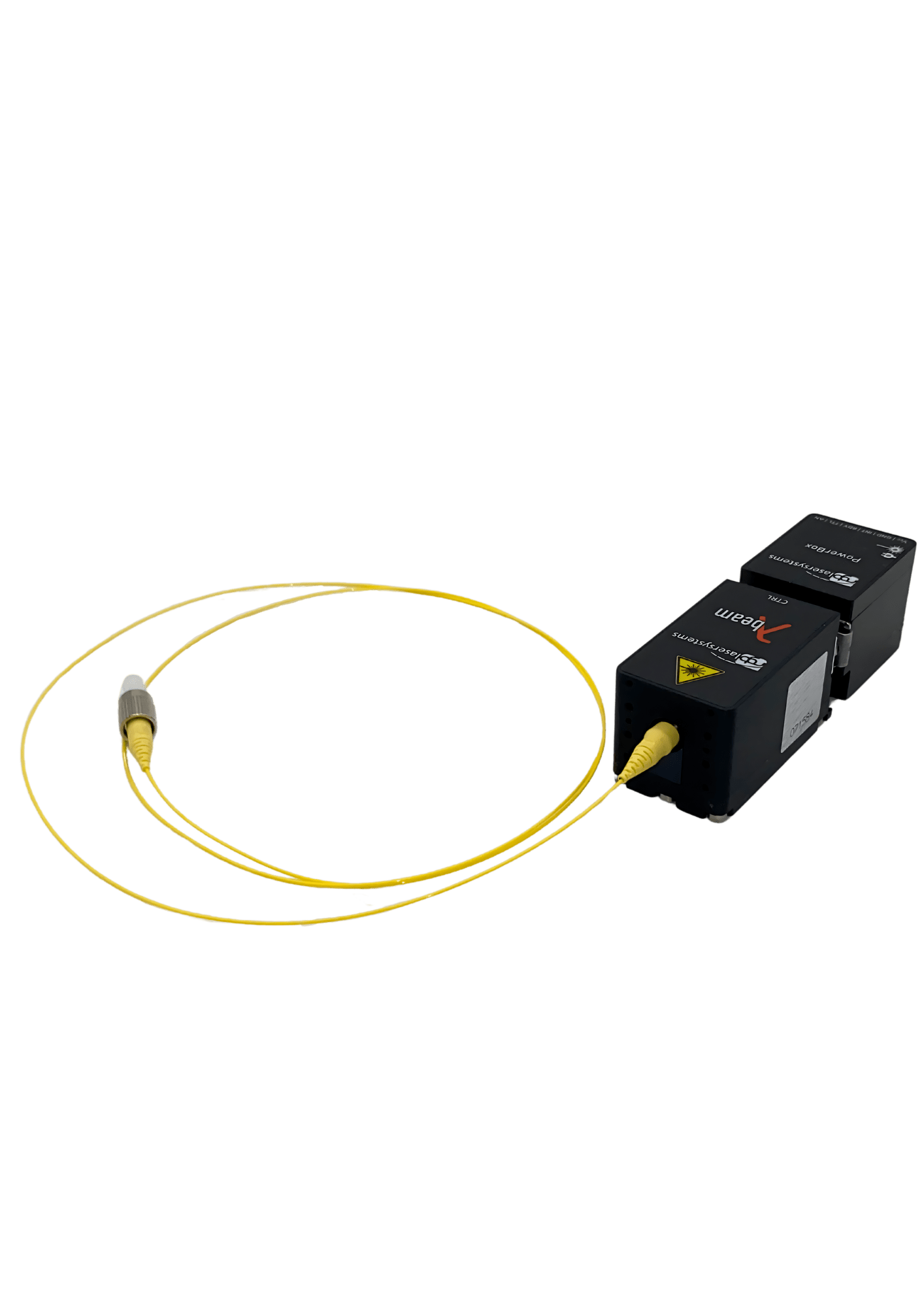
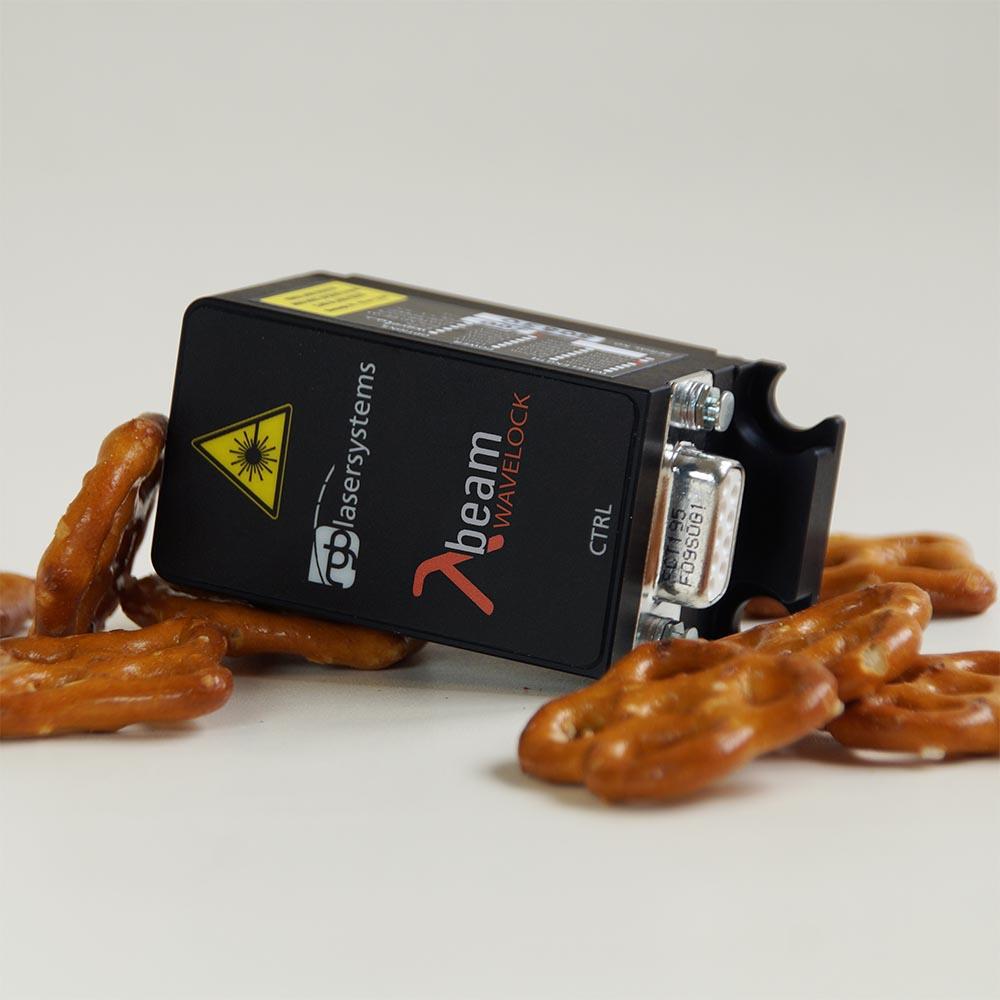
Lambda Beam Wavelock: Wavelength-Stabilized 785 nm Laser
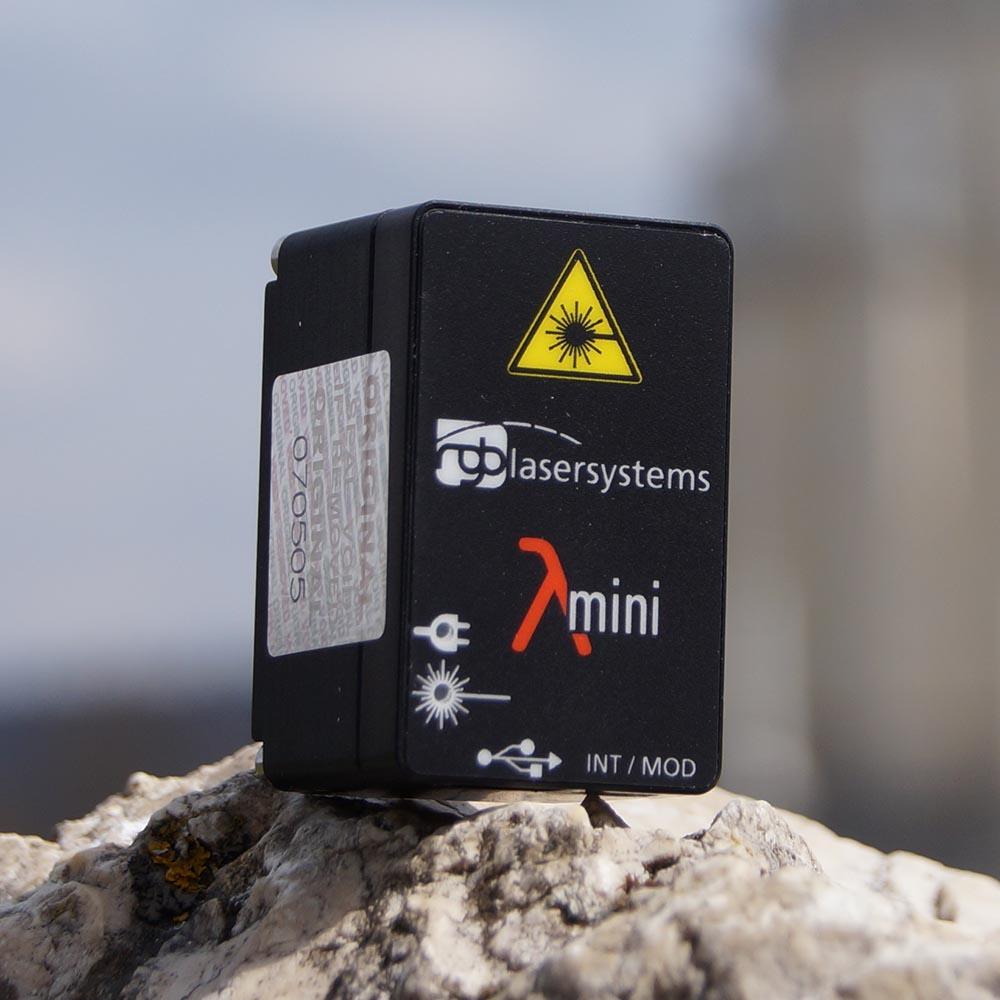
Lambda MINI: Compact 785 nm Laser Modules
Where 785 nm lasers are used
785 nm is the single most specified excitation wavelength in analytical instruments, because it sits at the point where fluorescence is suppressed enough for real samples while silicon detection still works. Everything longer costs you detector sensitivity, everything shorter costs you background.
- Raman spectroscopy. The de facto standard for organic chemistry, pharmaceutical analysis, forensics and biological tissue.
- Raw material identification. Handheld and at-line Raman units for incoming goods inspection in pharmaceuticals and chemicals.
- Food and material sorting. Near infrared response of organic matter at line speed.
- Confocal and deep tissue imaging. Less scattering in tissue than visible excitation.
- Laser diffraction particle analysis. Established wavelength with well characterised scattering behaviour.
One limit worth knowing before you specify it: at 785 nm excitation, a Raman shift of 3000 cm⁻¹ lands near 1020 nm, which is close to the edge of useful silicon sensitivity. If your bands of interest sit that high, check your detector before you check your laser.
785 nm or a neighbouring wavelength?
785 nm is the safe default when you do not yet know the full range of samples an instrument will see. Move to the 1064 nm laser only when 785 nm still shows a rising fluorescent background, and accept roughly a third of the signal in exchange.
Move the other way, to the 660 nm laser module or the 532 nm laser module, when your samples are known to be clean and you want the signal back.
For high resolution work, the linewidth of the source matters as much as its wavelength. See our narrow linewidth lasers for the stabilized versions.
Ready to Find the Right 785 nm Laser?
Whether you’re looking for a high-power solution for laboratory setups, a compact option for OEM systems, or a fiber-coupled version for integrated setups, RGB Lasersystems has the right 785 nm laser module for you. Contact us today to learn more about our 785 nm laser modules, request a quote, or get technical support. We’re here to assist you every step of the way!