
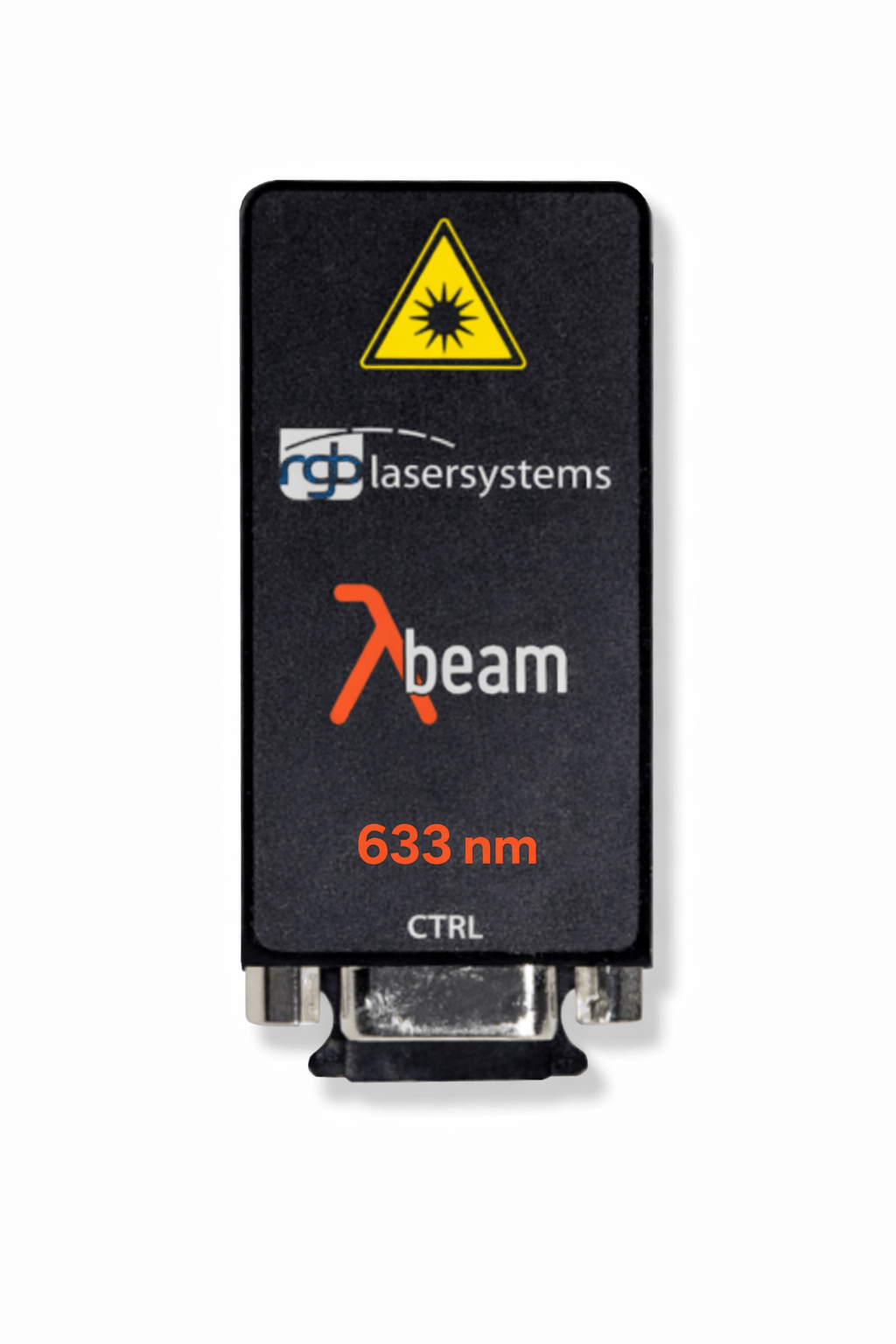
633 nm Laser
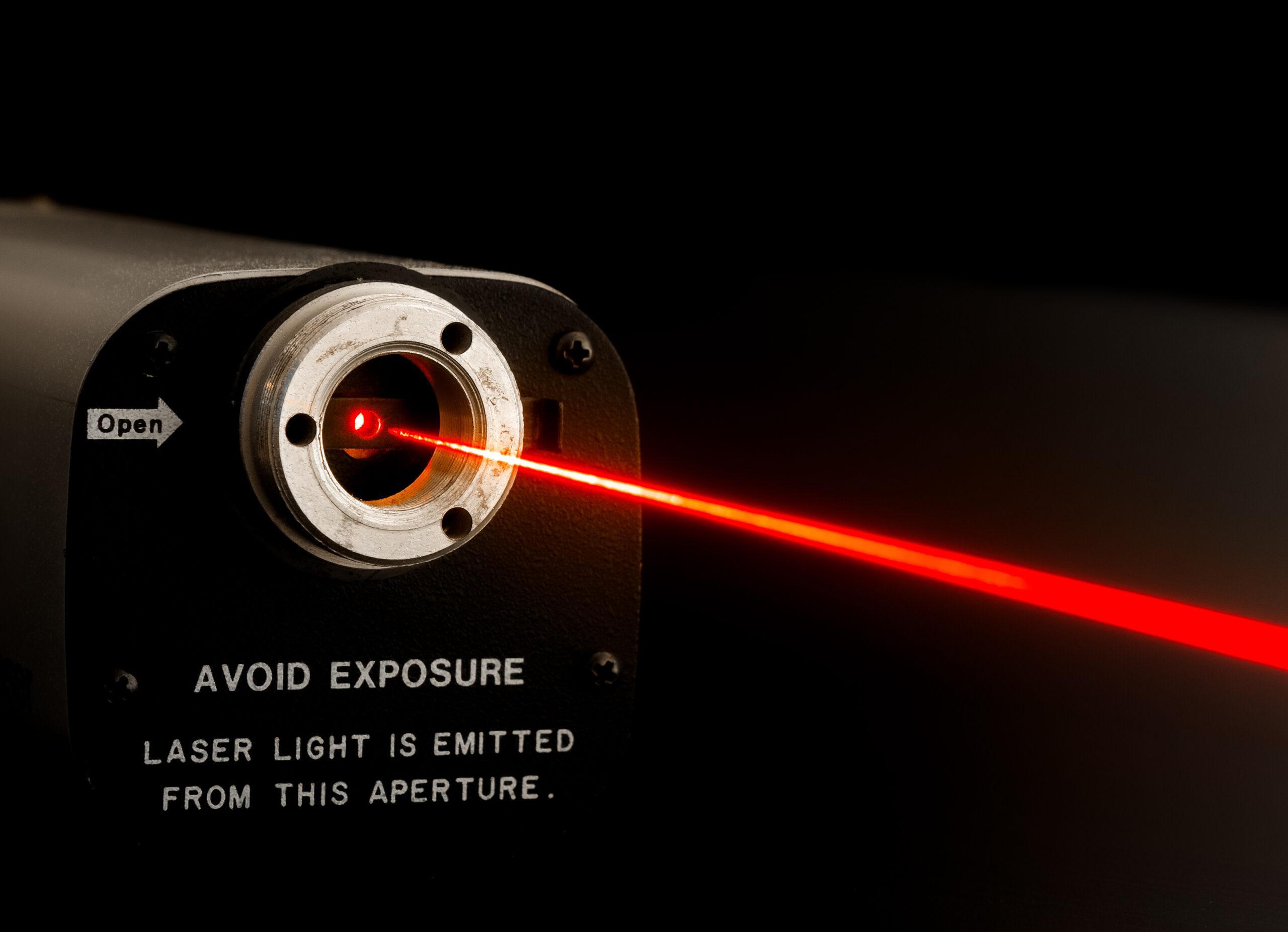
A 633 nm laser is a red continuous-wave source used when you need a clean, stable beam for alignment, sensing, and precision measurement. The wavelength sits in a region where many optical components are readily available, and it is common in metrology workflows that prioritize repeatable beam delivery. For OEM instruments, the practical value is predictable output power and beam quality, so your optical system stays calibrated over long operating cycles.
Fluorescence & Life Science Imaging
Raman spectroscopy and microscopy
UV Curing & Adhesive Processing
Research and education
OEM system integration
Raman spectroscopy and microscopy
UV Curing & Adhesive Processing
Research and education
OEM system integration






Technical overview
Why a precise 633 nm laser matters
Why 633 nm matters is that many measurement setups and legacy instruments are designed around a red reference line. Compared with broad “red diode” sources, a purpose-built 633 nm laser is specified for wavelength stability and low noise, helping you preserve fringe contrast in interferometry and maintain consistent excitation conditions in spectroscopy. In short, you gain a familiar wavelength with modern, compact integration options.
Typical applications
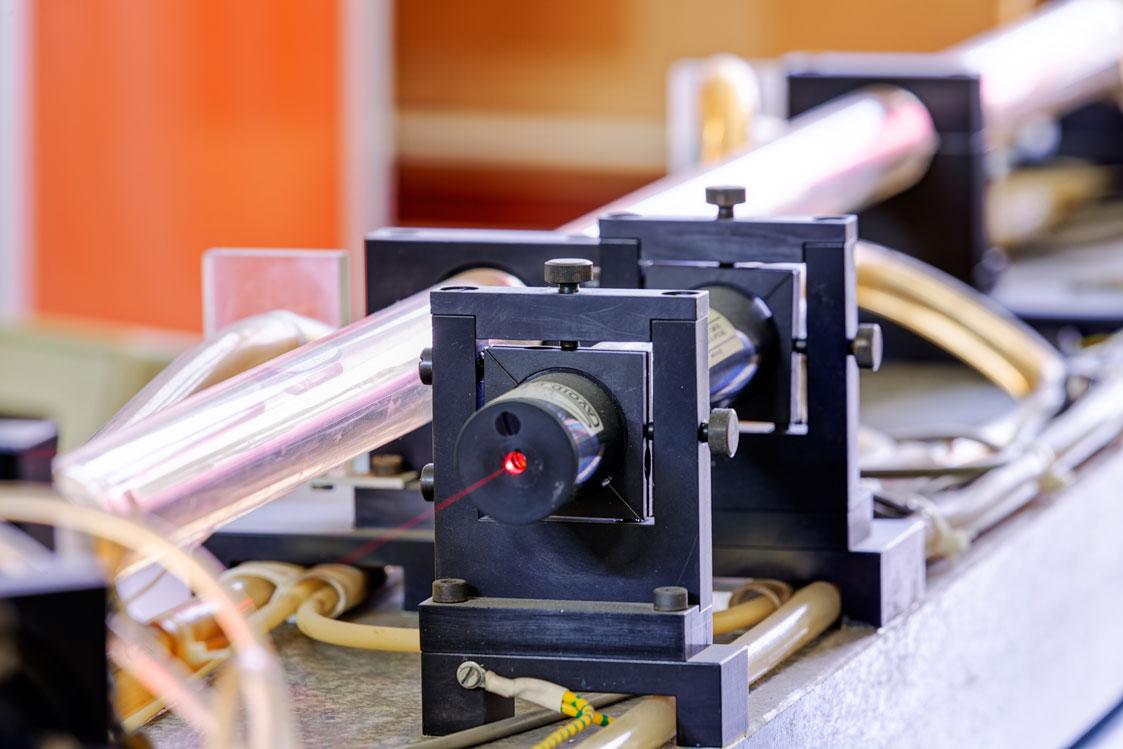
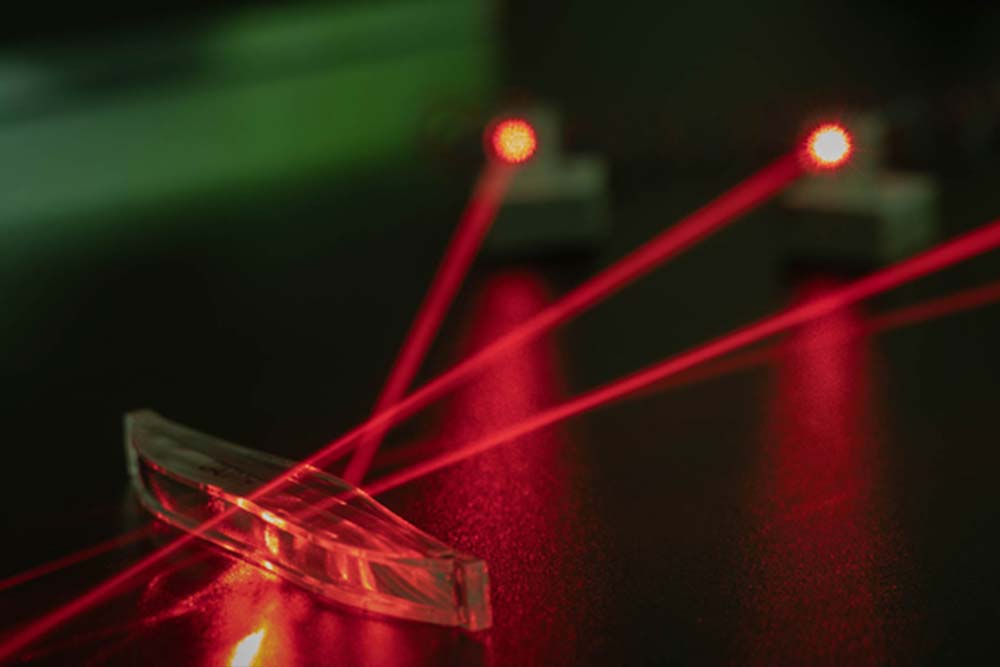
Typical 633 nm laser applications include Raman spectroscopy, metrology, holography, speckle interferometry, and analytical or bio-instrumentation where a stable red beam improves signal consistency. In confocal microscopy and other imaging setups, a well-controlled TEM00 beam helps with focusing and repeatable spot size. These use cases benefit most when the laser’s wavelength and intensity remain steady, because the instrument’s calibration and noise floor depend on that stability.
Accuracy notes and stability in practice
For accuracy, it is useful to plan around real-world tolerances rather than idealized values. The Lambda Beam Wavelock datasheet notes the actual emission wavelength can deviate by up to ±1 nm, and it distinguishes “ready for use” after about 5 seconds from “calibrated operation” after about 3 minutes. Operating range, thermal environment, and continuous high-power running conditions all influence long-term stability.
Integration and System Compatibility
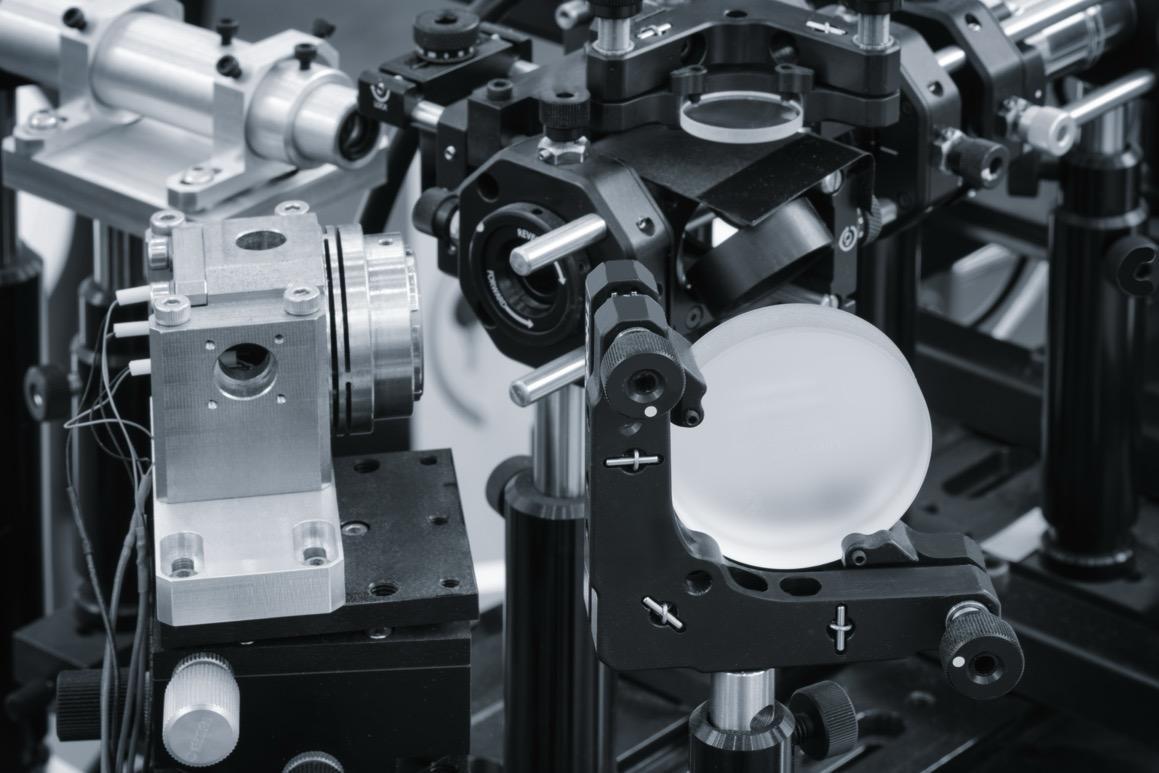
Integration is typically straightforward, but it works best when the laser head, controller, and beam delivery are selected together. RGB notes that a Lambda Beam head requires a controller; for scientific prototyping we recommend the PowerController, while industrial integration can use a compact PowerBox. Control is available via USB, modulation can be supported up to 1.5 MHz, and fiber coupling options are available across the Lambda lineup for free-space or guided delivery.
About RGB Lasersystems
RGB Lasersystems develops compact laser modules “made in Germany” and provides control software (Ltune) plus manuals and datasheets through its downloads library. If you are choosing a 633 nm laser for an OEM build, define your targets for linewidth, wavelength stability, beam quality, and interface needs early, then match the module and controller configuration accordingly. Our team can support configuration and documentation for a fast, low-risk integration.