
Single-longitudinal mode laser
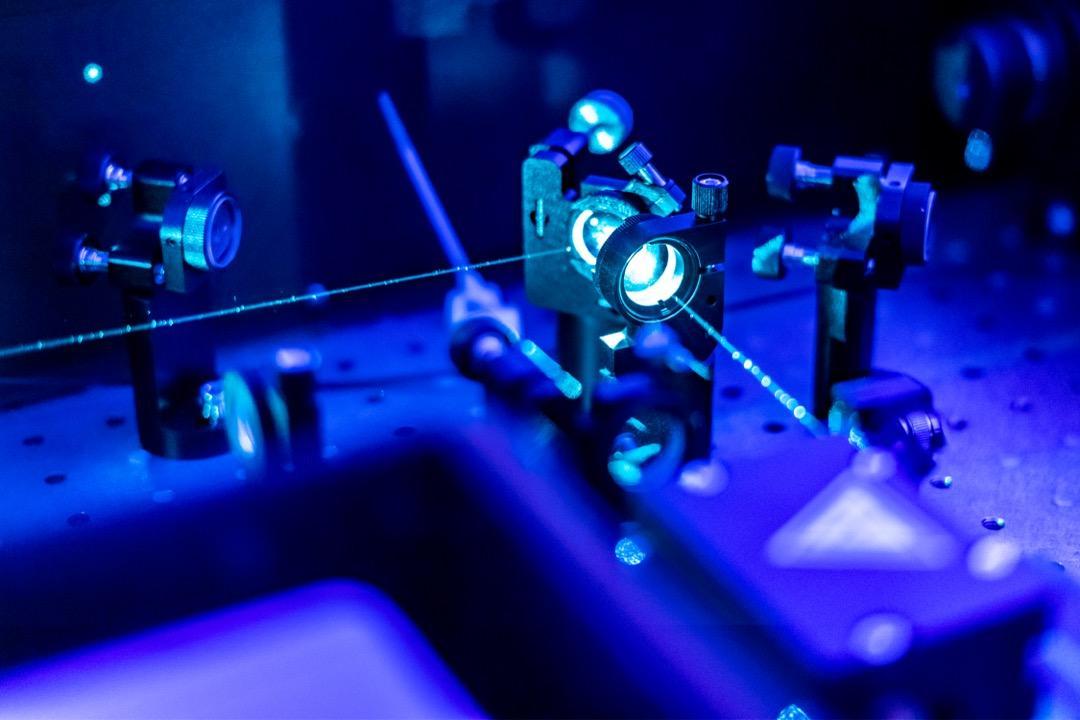
A single-longitudinal mode laser is built to emit on one axial (longitudinal) cavity mode, so the output is dominated by a single optical frequency. That mode control supports narrow linewidth, high temporal coherence, and predictable phase behavior, which are key when tiny frequency shifts translate into measurement error. You typically choose this laser type for interferometry and spectroscopy setups that need repeatable results, stable wavelength control, and clean spectral purity.






How single-mode operation is achieved
Inside any resonator there are many allowed longitudinal modes separated by the cavity free spectral range (FSR). Single-longitudinal mode operation means the design favors one of those resonances while suppressing its neighbors. This is achieved with frequency-selective elements such as Bragg gratings (DFB/DBR structures), intracavity etalons, or external-cavity filters. The result is a spectrum with one dominant line and strong side-mode suppression.

Key parameters to evaluate
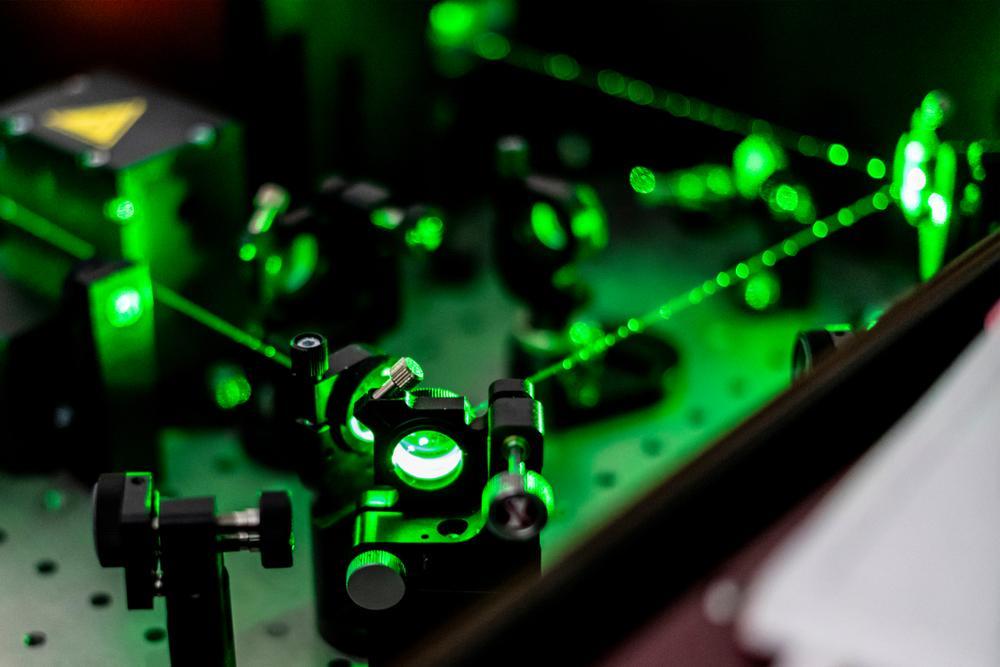
For real systems, single-longitudinal mode and narrow linewidth are related but not identical. Linewidth describes how wide the dominant spectral line is, while single-mode behavior describes how many longitudinal lines are present. When you compare options, look at linewidth, frequency noise, side-mode suppression ratio, tuning range, and power stability. A near-diffraction-limited TEM00 beam can also simplify focusing and efficient fiber coupling.
Frequency stability in practice
Stability comes from controlling the parameters that shift the cavity resonance: temperature, drive current, and mechanical stress. Small thermal changes can move the lasing frequency and may trigger mode hops if margins are tight, so active temperature regulation and low-noise drivers are common. Optical feedback from reflections can disturb single-mode behavior, which is why careful beam routing and, in sensitive setups, optical isolation are often used.
Typical applications
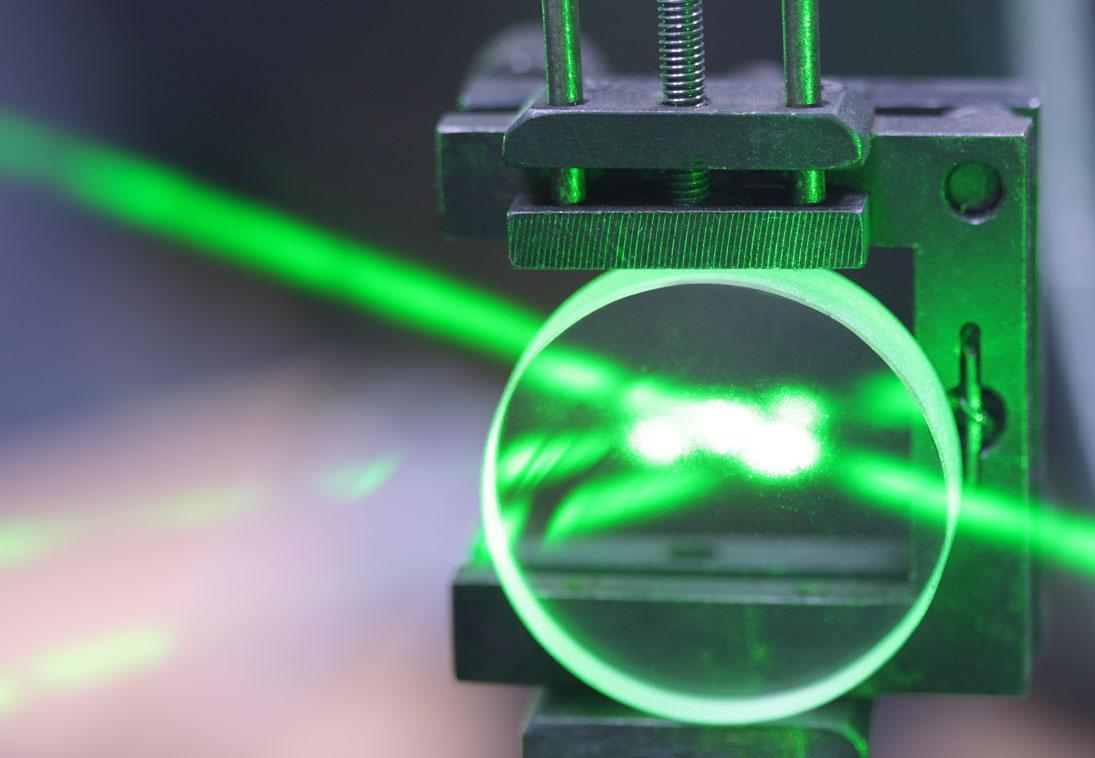
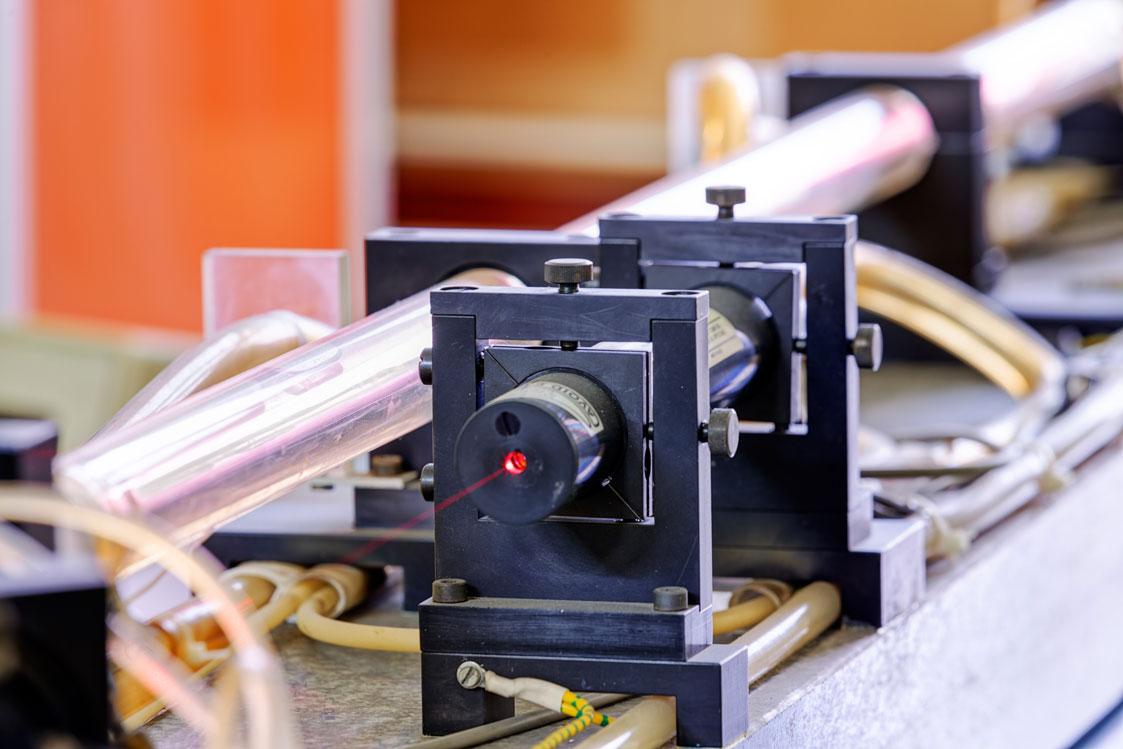
You will find single-longitudinal mode lasers in high-resolution spectroscopy, precision interferometry, and metrology, where long coherence length supports stable interference fringes and accurate distance or displacement measurements. They are also used for coherent detection and as seed sources for fiber amplifiers when controlled wavelength and low phase noise matter. In research, wavelength referencing, atomic and quantum experiments, and frequency-stabilization schemes often rely on this emission regime.
Integration and system compatibility
For OEM and laboratory integration, compact modules with defined mechanical interfaces reduce alignment effort while keeping the resonator environment stable. Key integration topics are thermal coupling, electrical driver compatibility, and beam delivery, for example free-space collimation or fiber-coupled outputs. When these interfaces are engineered together, you get predictable frequency behavior, repeatable calibration, and reliable uptime in instruments that run continuously or in varying ambient conditions.
About RGB Lasersystems
RGB Laser Systems brings over two decades of expertise in the development of compact laser modules and spectrometers. We specialize in highly integrated designs that unite minimal footprint with advanced optical performance. Continuous innovation in photonic engineering drives the pursuit of further miniaturization while maintaining precision, stability and reliability in demanding scientific and industrial applications.